

-
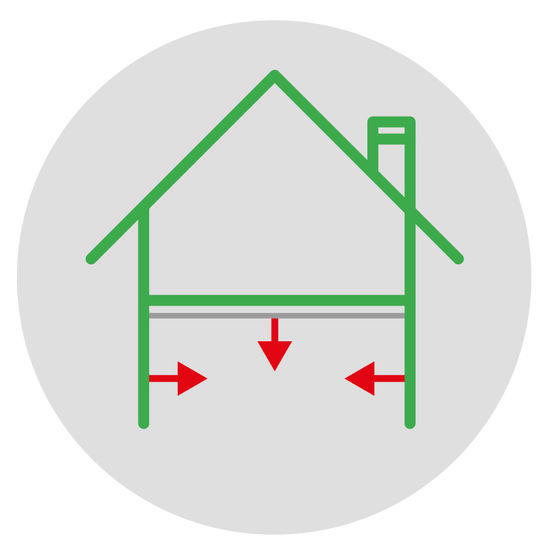
Keeps heat in your basement
Reflect radiant heat back into your basement by installing reflective insulation in basement walls and ceilings
-

Save money on energy bills
Achieve better HVAC efficiency by reducing heat gains/losses year-round, in any climate
-

Vapor barrier
When seams are taped, reflective bubble insulation prevents mold and mildew



Reflective bubble insulation helps keep heat inside your basement
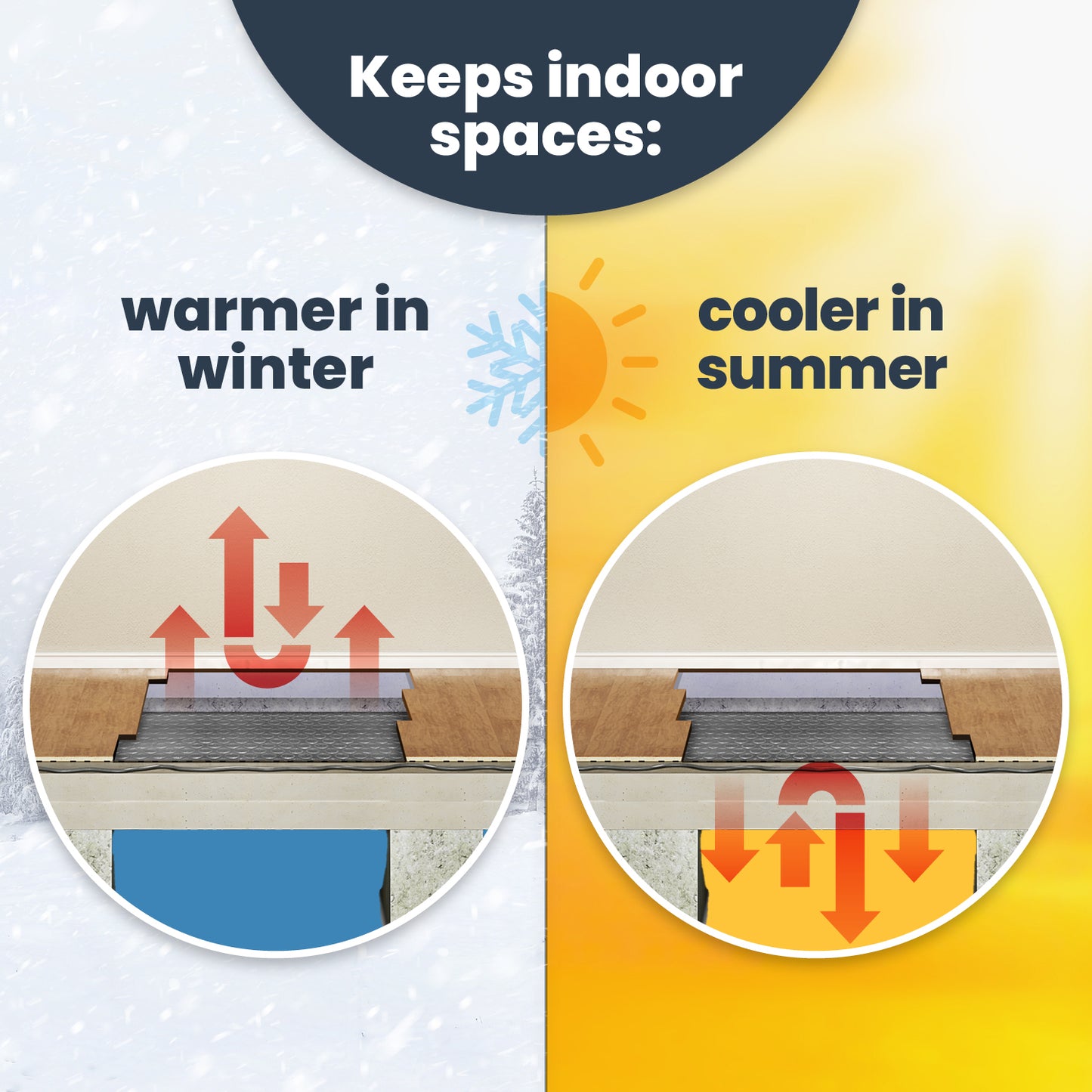
Since warm air rises naturally, it can easily escape into the floors above, leaving your basement cold and damp. In fact, poorly insulated basements can easily be 5-15 degrees cooler than the living space above. By installing reflective bubble insulation in your walls and ceilings, you can maintain a more comfortable temperature without relying too heavily on your HVAC system.
Prevent heat loss in your basement
As much as 33% of your home’s energy could be lost through an unfinished basement. Retain basement heat by lining walls and ceilings with reflective bubble insulation.
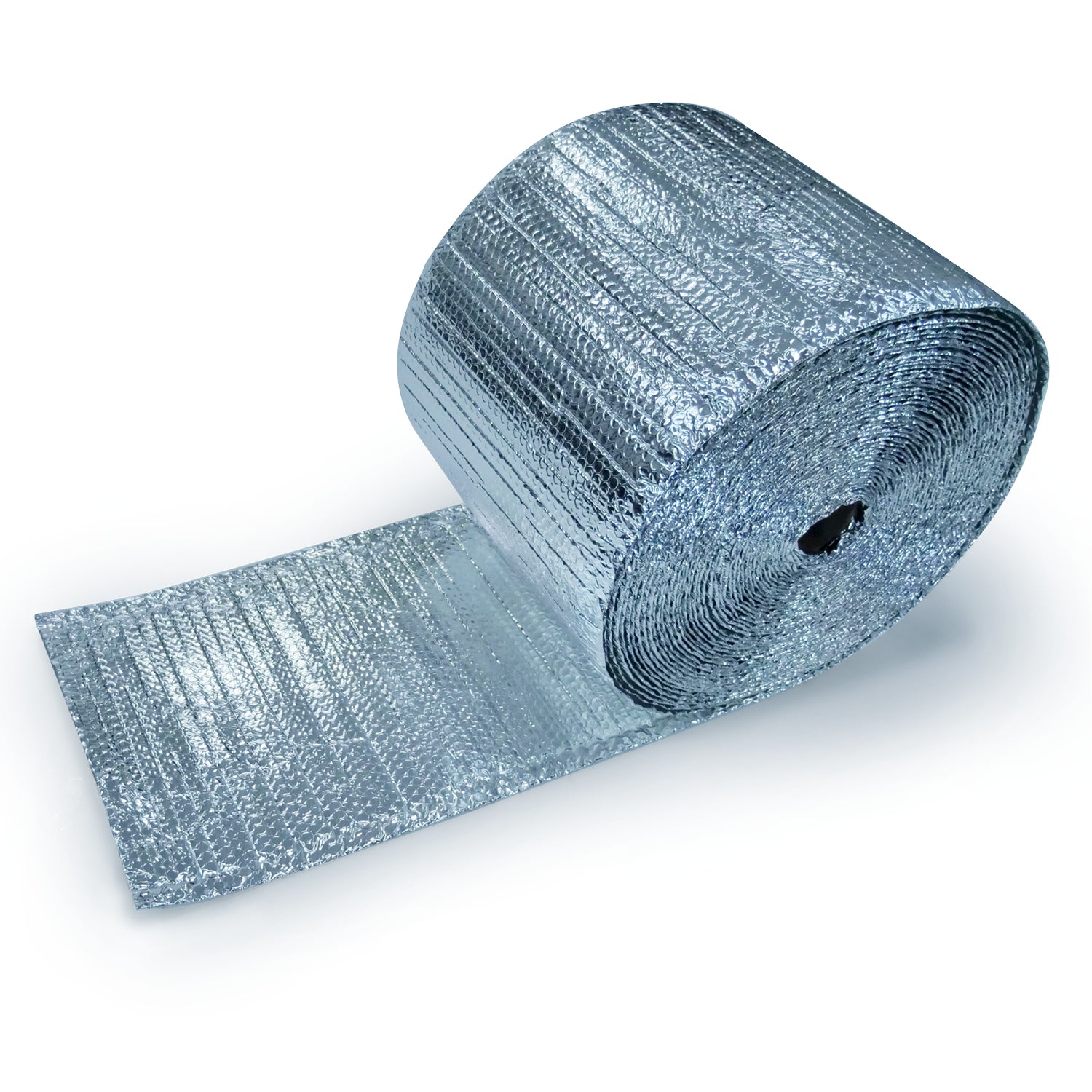
recommended product:
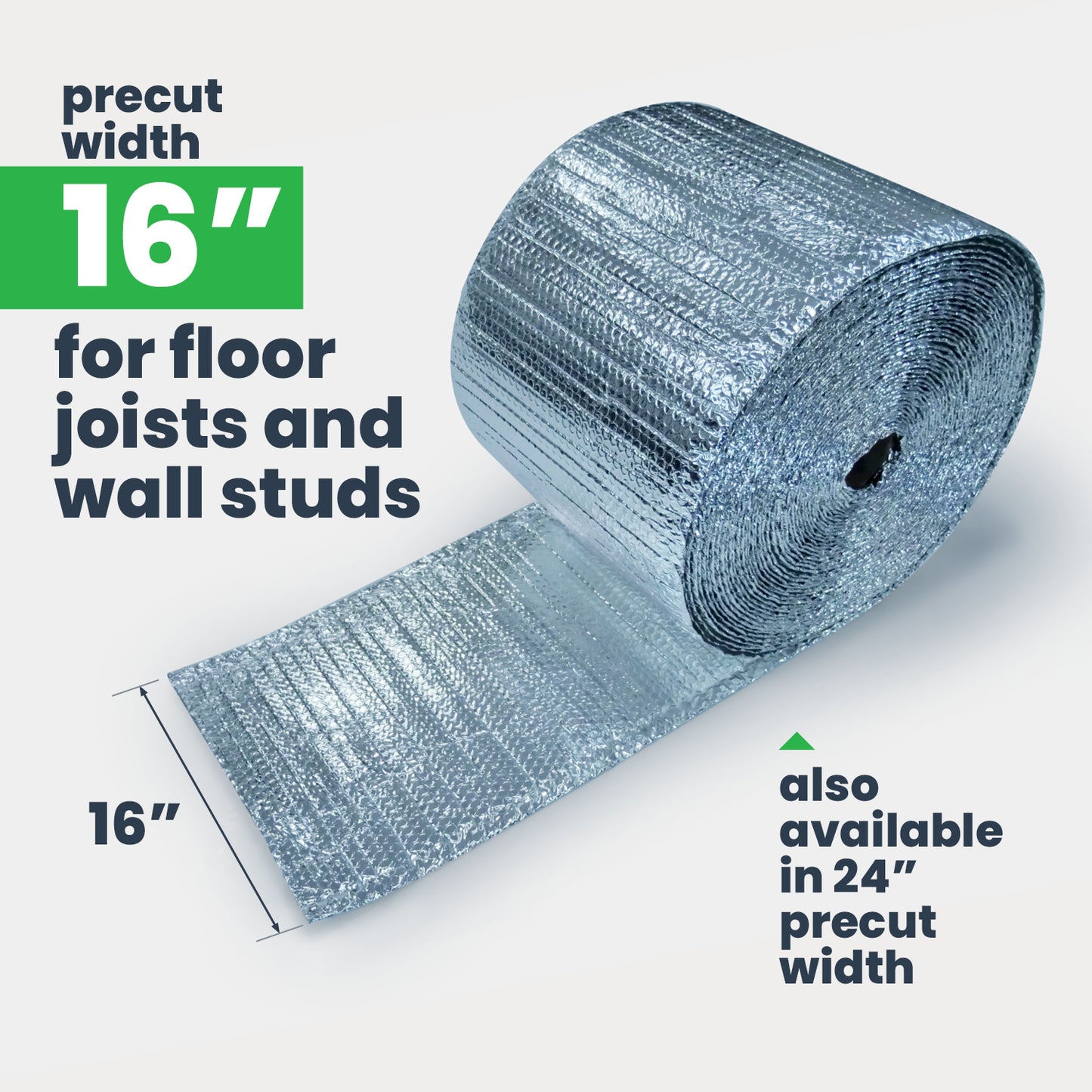
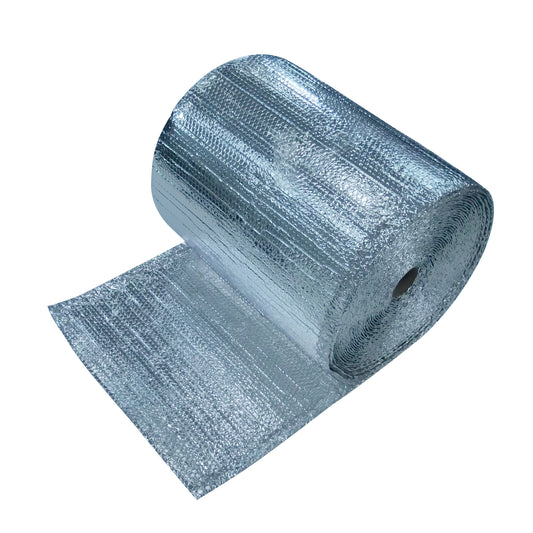
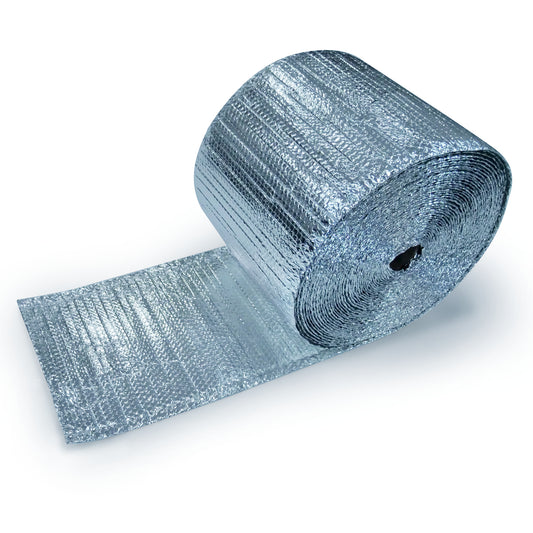
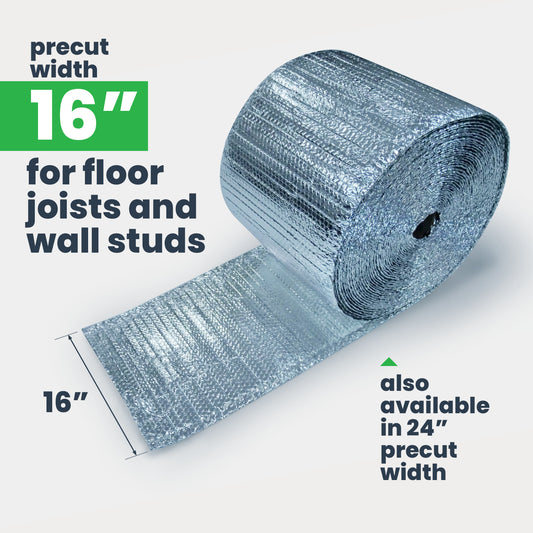
16" x 125' Between Joist Insulation w/ Staple Tabs Foil/Double Bubble/Foil (166.63 sq. ft.)
Reflects heat and controls condensation in extreme/colder climates
Share
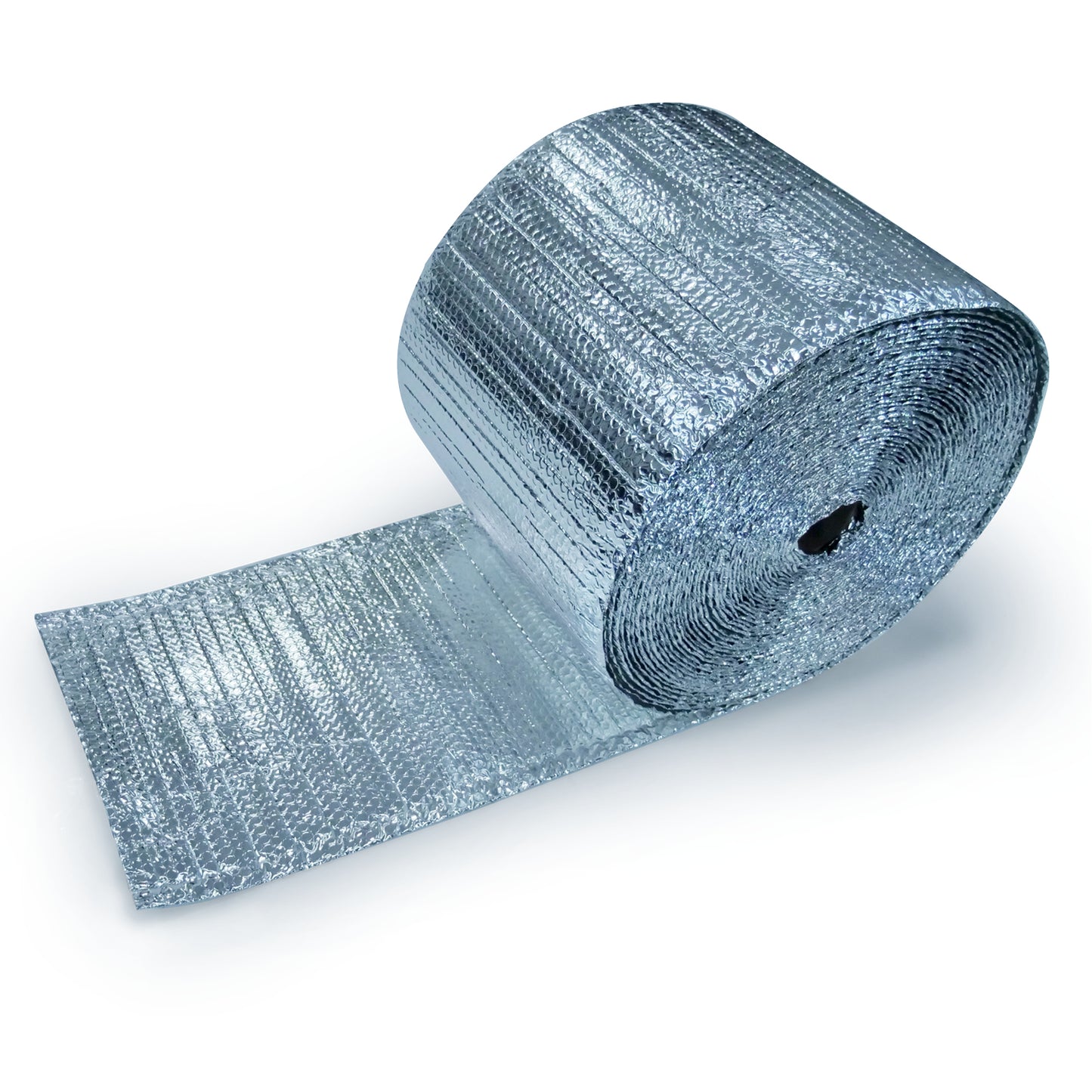
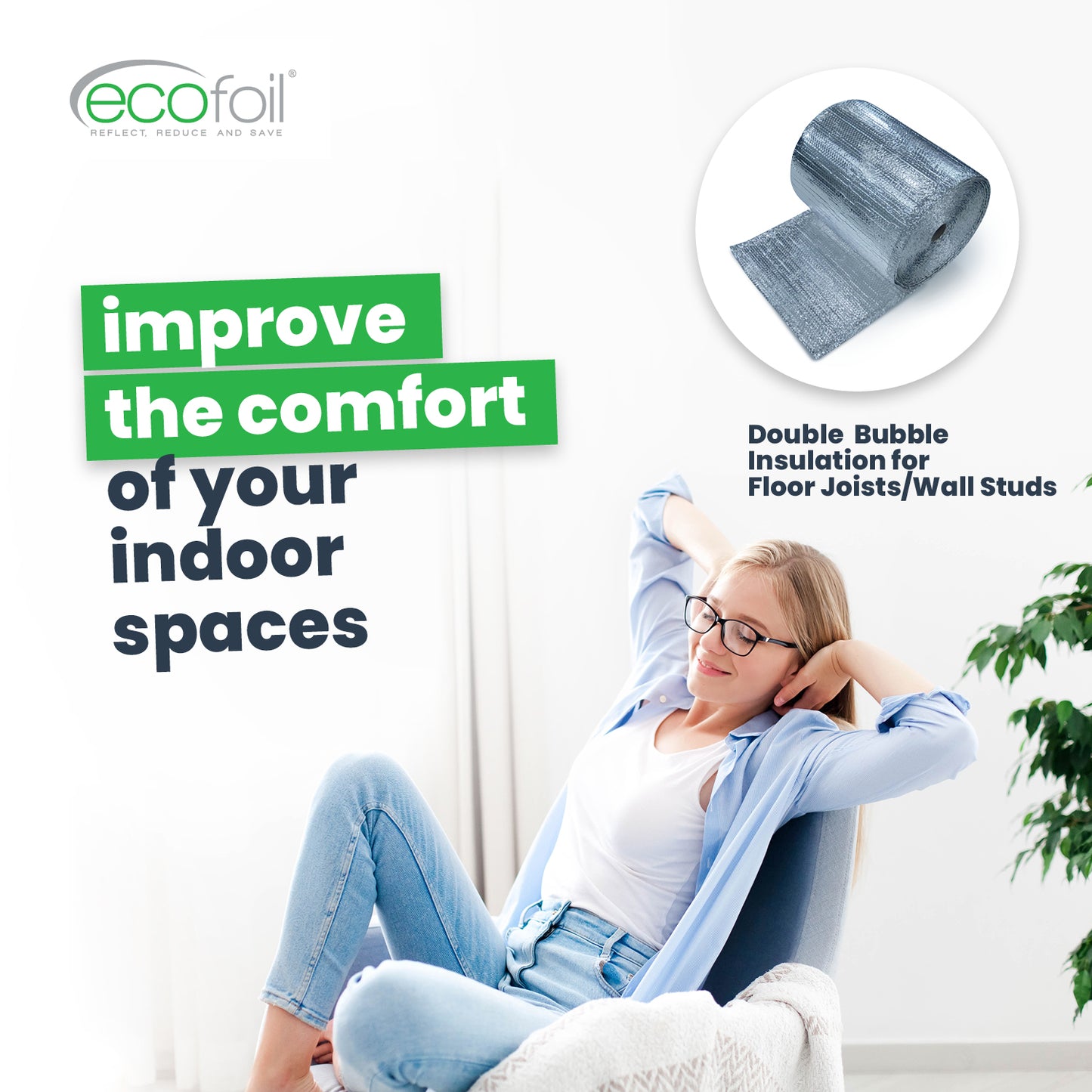
Recommended products: Bubble Foil Insulation
-
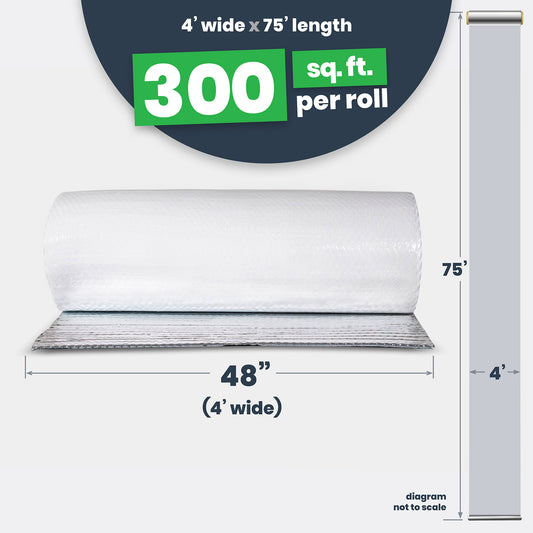
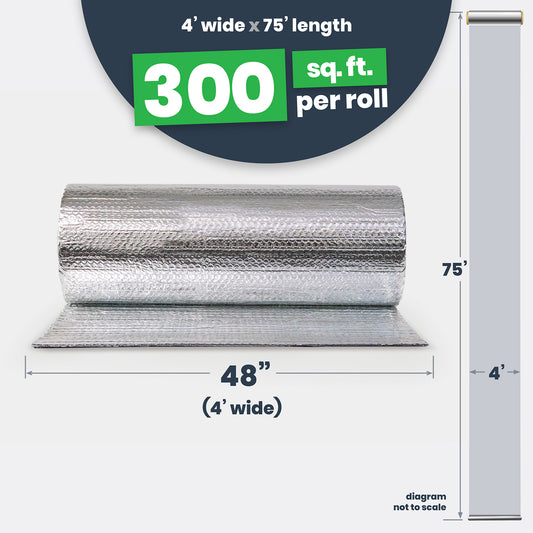
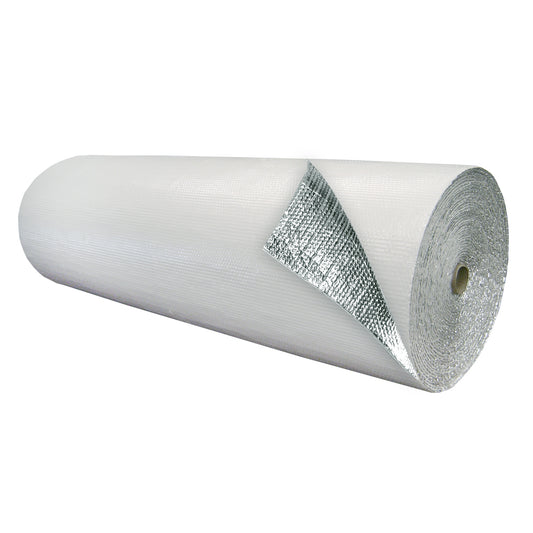
Double Bubble Reflective Insulation (White/Foil) 4'x75' - 300 sq ft
Free Shipping!Regular price $160.00Regular priceUnit price per
-
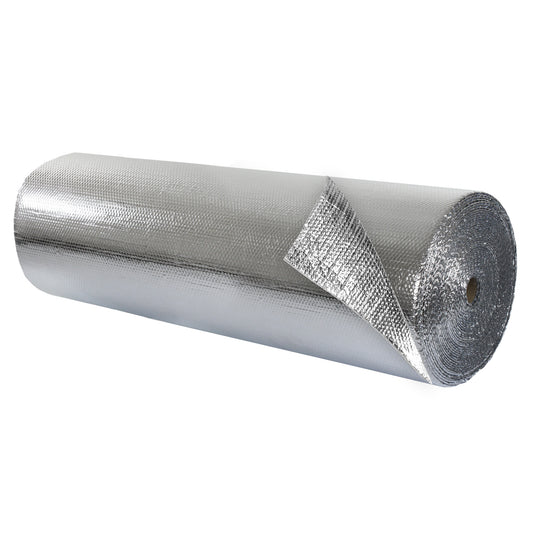
Double Bubble Reflective Insulation (Foil/Foil) 4'x75' - 300 sq ft
Free Shipping!Regular price $160.00Regular priceUnit price per -
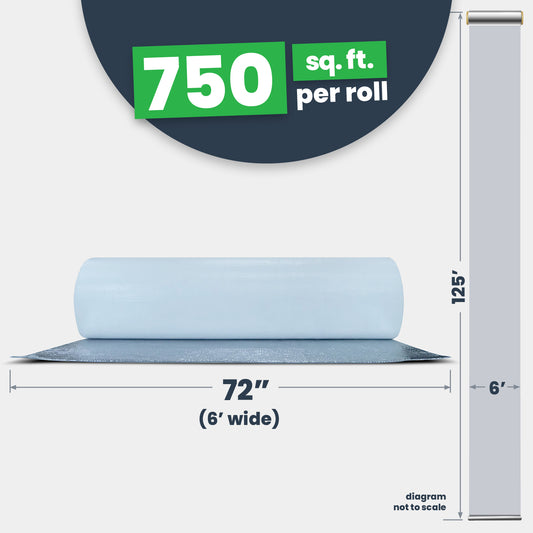
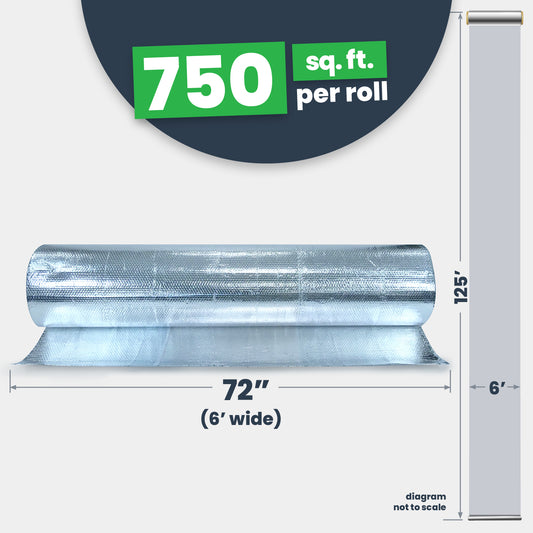
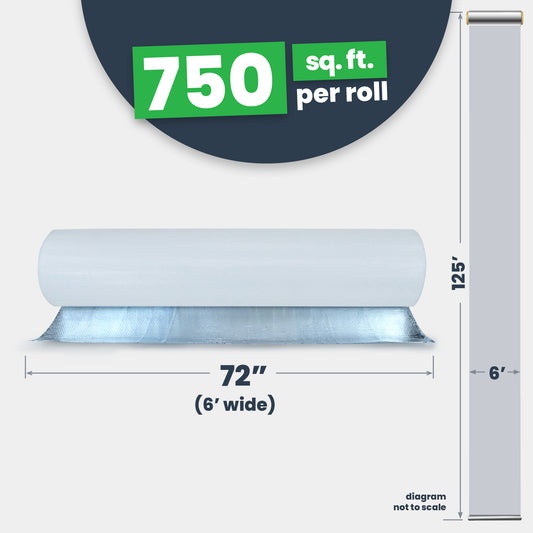
Double Bubble Reflective Insulation (White/Foil) 6'x125' - 750 sq ft
Free Shipping!Regular price $420.00Regular priceUnit price per -
Double Bubble Reflective Insulation (Foil/Foil) 6'x125' - 750 sq ft
Free Shipping!Regular price $420.00Regular priceUnit price per -
Single Bubble Reflective Insulation (White/Foil) 6'x125' - 750 sq ft
Free Shipping!Regular price $310.00Regular priceUnit price per -
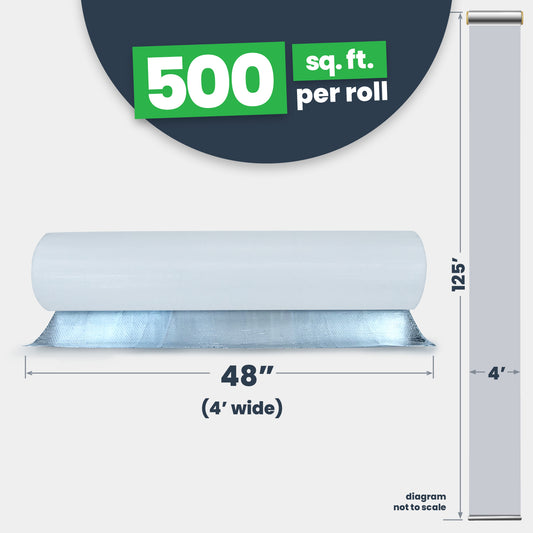
Single Bubble Reflective Insulation (White/Foil) 4'x125' - 500 sq ft
Free Shipping!Regular price $169.00Regular priceUnit price per -
Double Bubble Insulation - White/Foil - 2' x 25' (50 sq ft)
Free Shipping!Regular price $45.00Regular priceUnit price per -
Double Bubble Insulation - Foil/Foil - 2' x 25' (50 sq ft)
Free Shipping!Regular price $45.00Regular priceUnit price per -
Double Bubble Insulation - White/Foil - 4' x 25' (100 sq ft)
Free Shipping!Regular price $79.00Regular priceUnit price per -
Double Bubble Insulation - Foil/Foil - 4' x 25' (100 sq ft)
Free Shipping!Regular price $79.00Regular priceUnit price per -
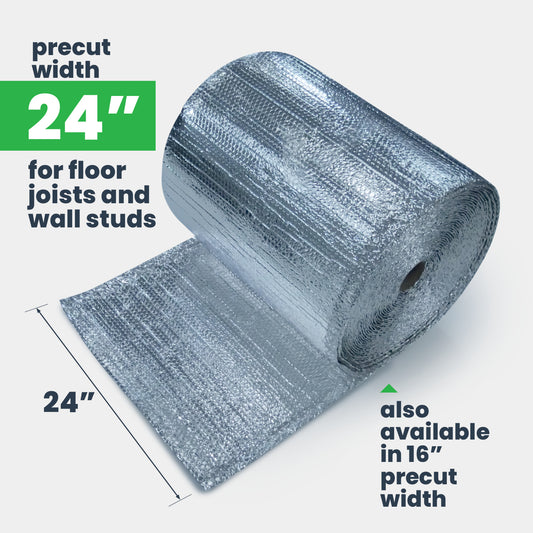
24" x 125' Between Joist Insulation w/ Staple Tabs Foil/Double Bubble/Foil (250 sq. ft.)
Free Shipping!Regular price $132.00Regular priceUnit price per -
16" x 125' Between Joist Insulation w/ Staple Tabs Foil/Double Bubble/Foil (166.63 sq. ft.)
Free Shipping!Regular price $92.00Regular priceUnit price per
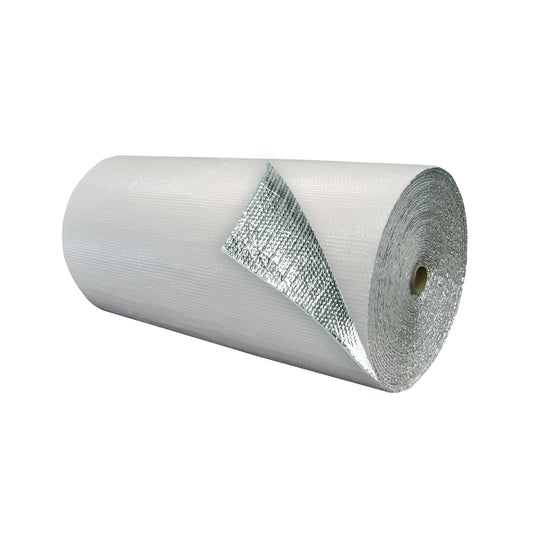

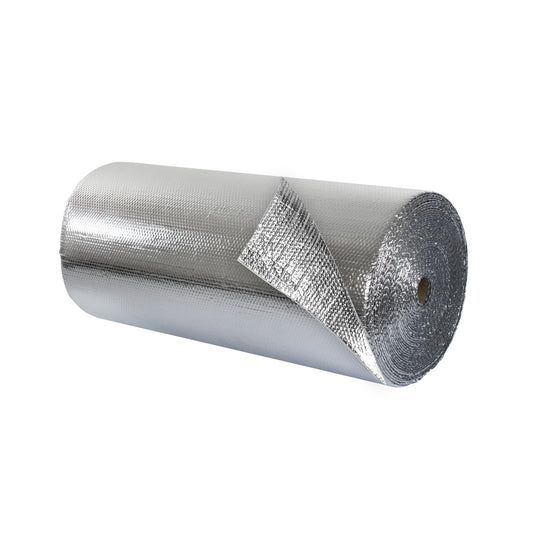
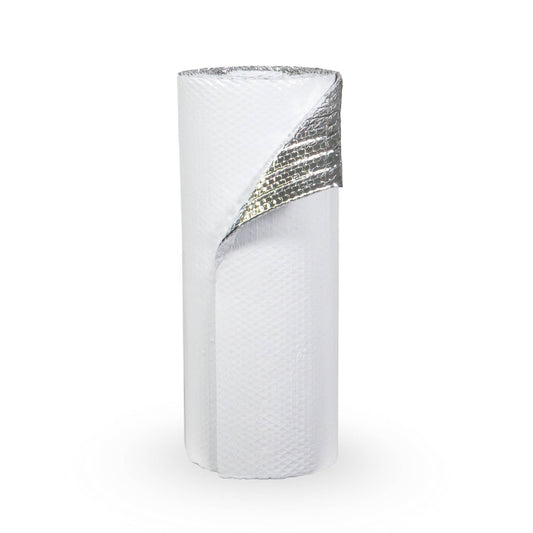
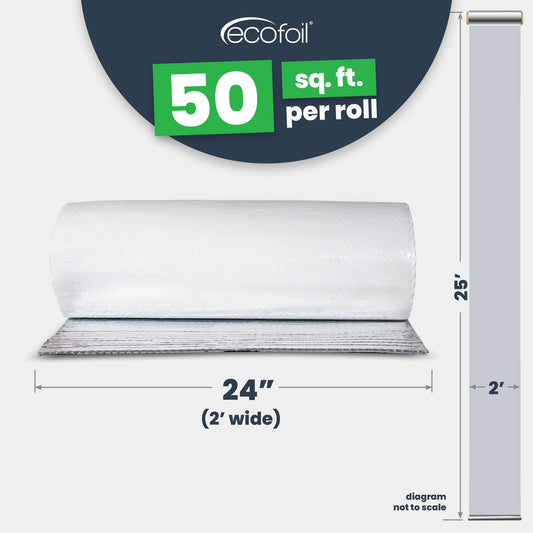
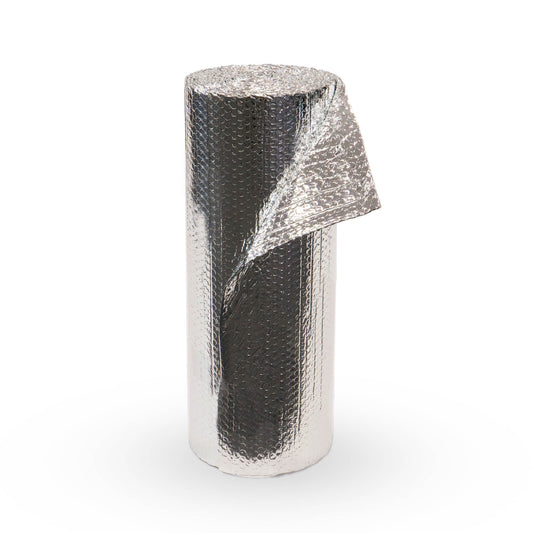
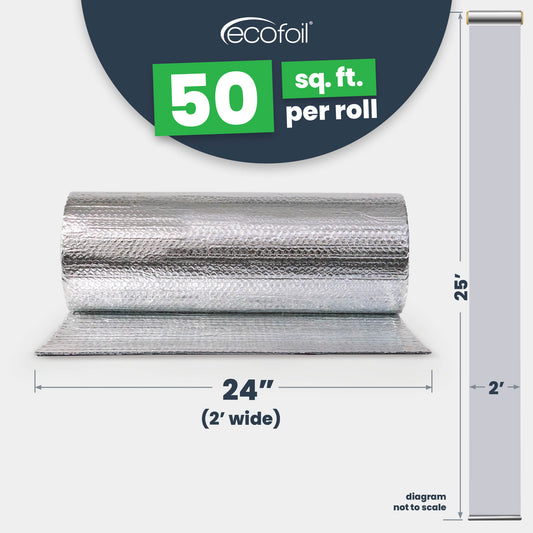
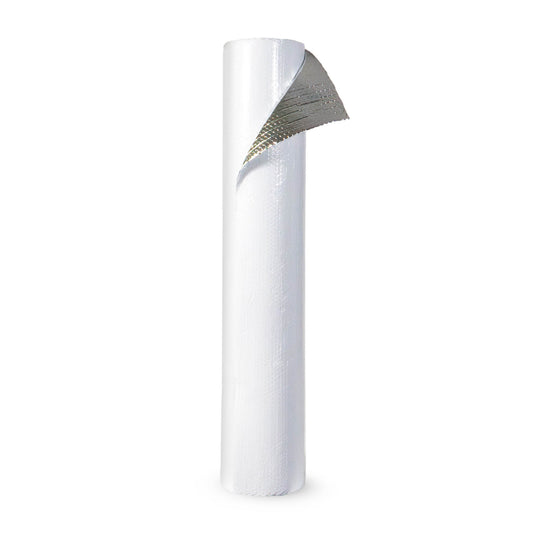
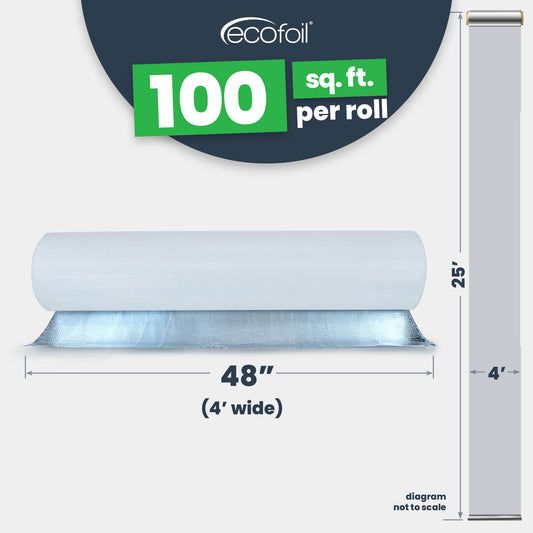
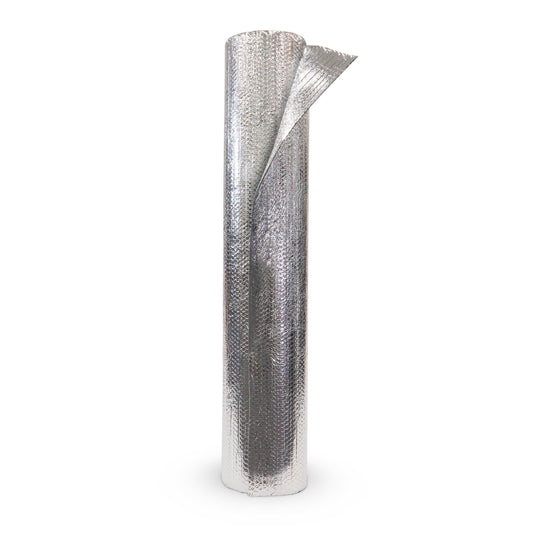
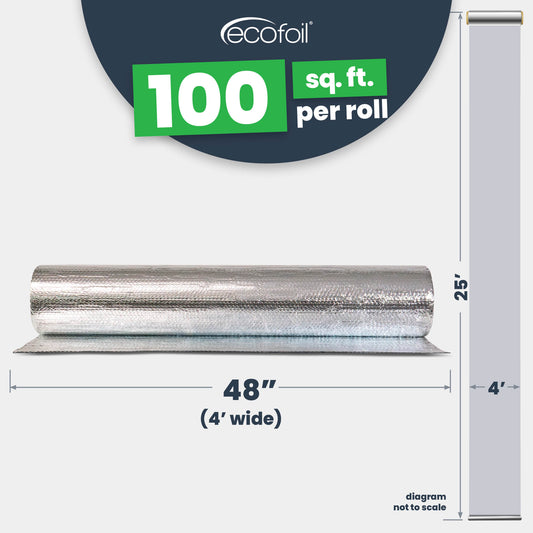
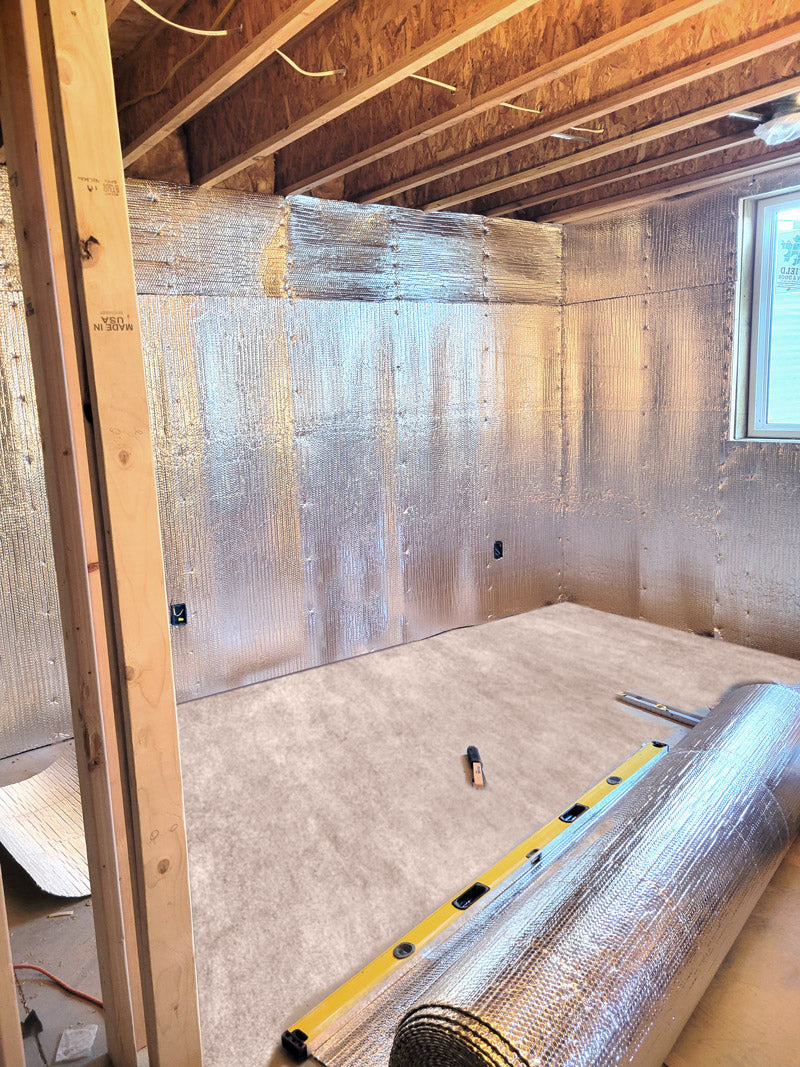
Prevents mold & mildew, easy to install
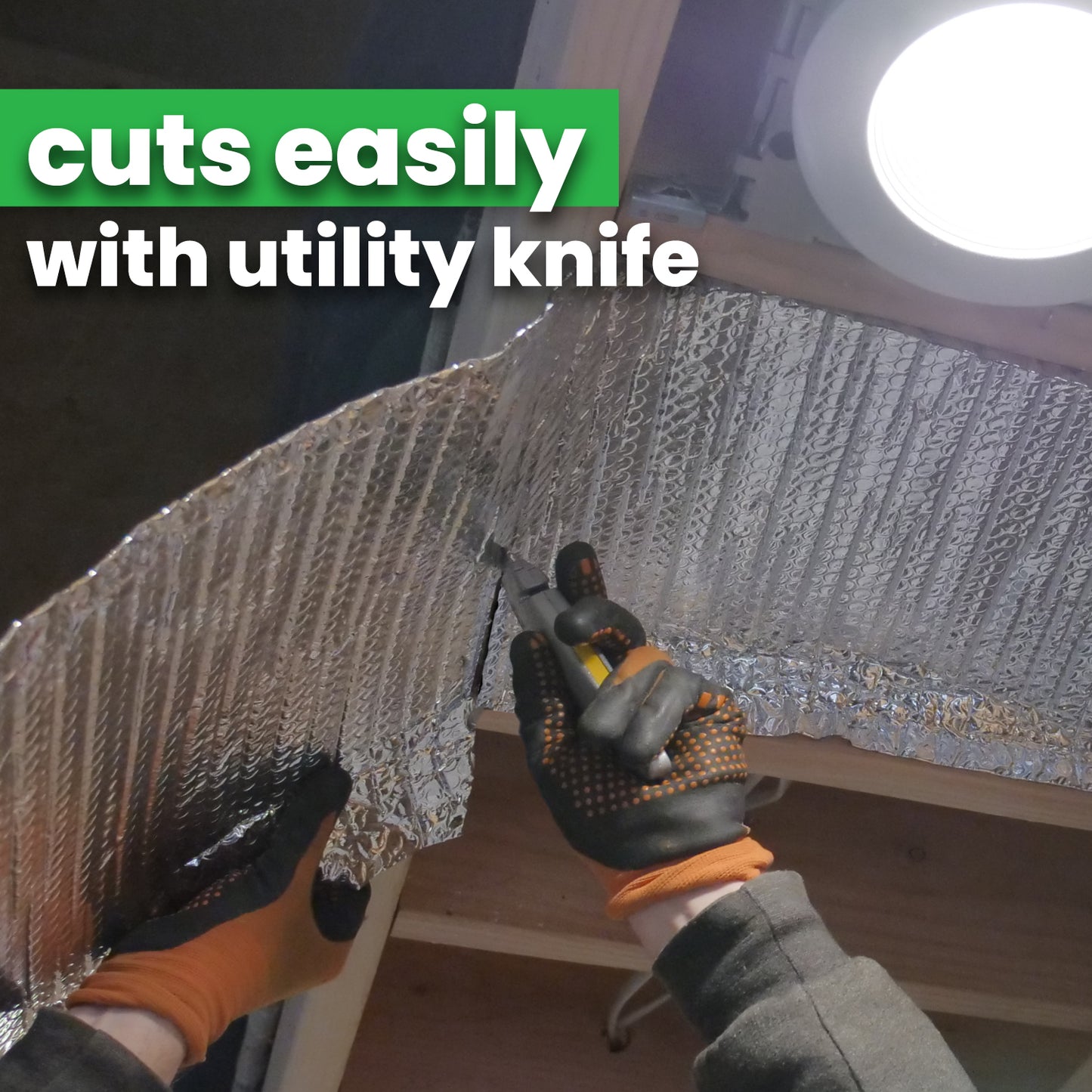
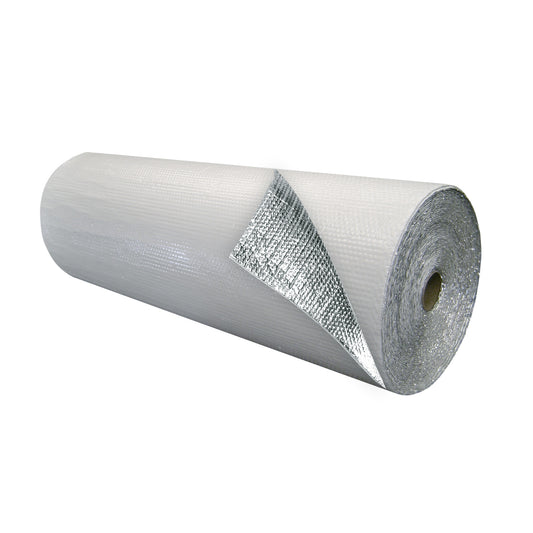
Traditional fiberglass insulation is porous and can absorb moisture, forming mold and mildew over time. Prevent these potential problems by installing reflective bubble insulation in your basement walls and ceilings. Not only will it help contain the heat inside your basement, it's also a Class 1 vapor barrier when seams are sealed with reflective insulation tape. Reflective bubble insulation is lightweight, easy to install, and cuts easily with a sharp knife.
What you'll need for installation:
-

Scissors or utility knife
-

Insulation tape
-

1-2 people
-

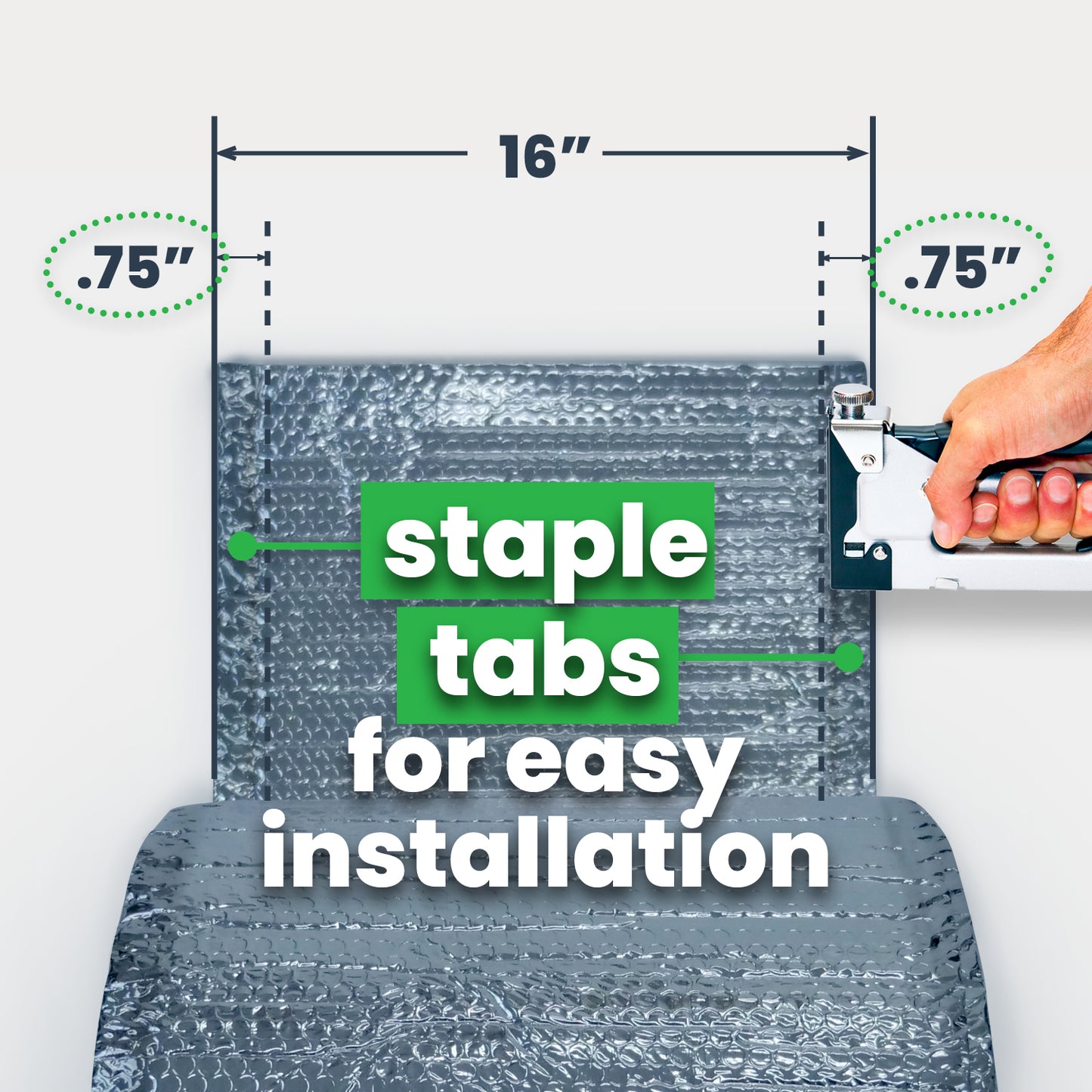
Staple gun (~3/4" staples)




Basement Insulation Installation Instructions:
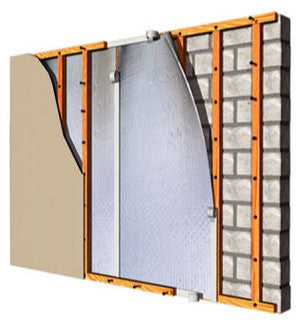
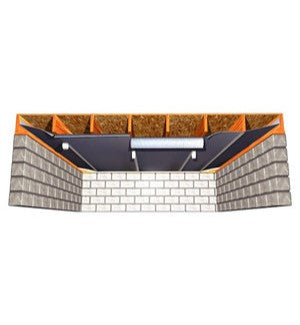
Basement Ceiling Insulation - Floor Joist Installation
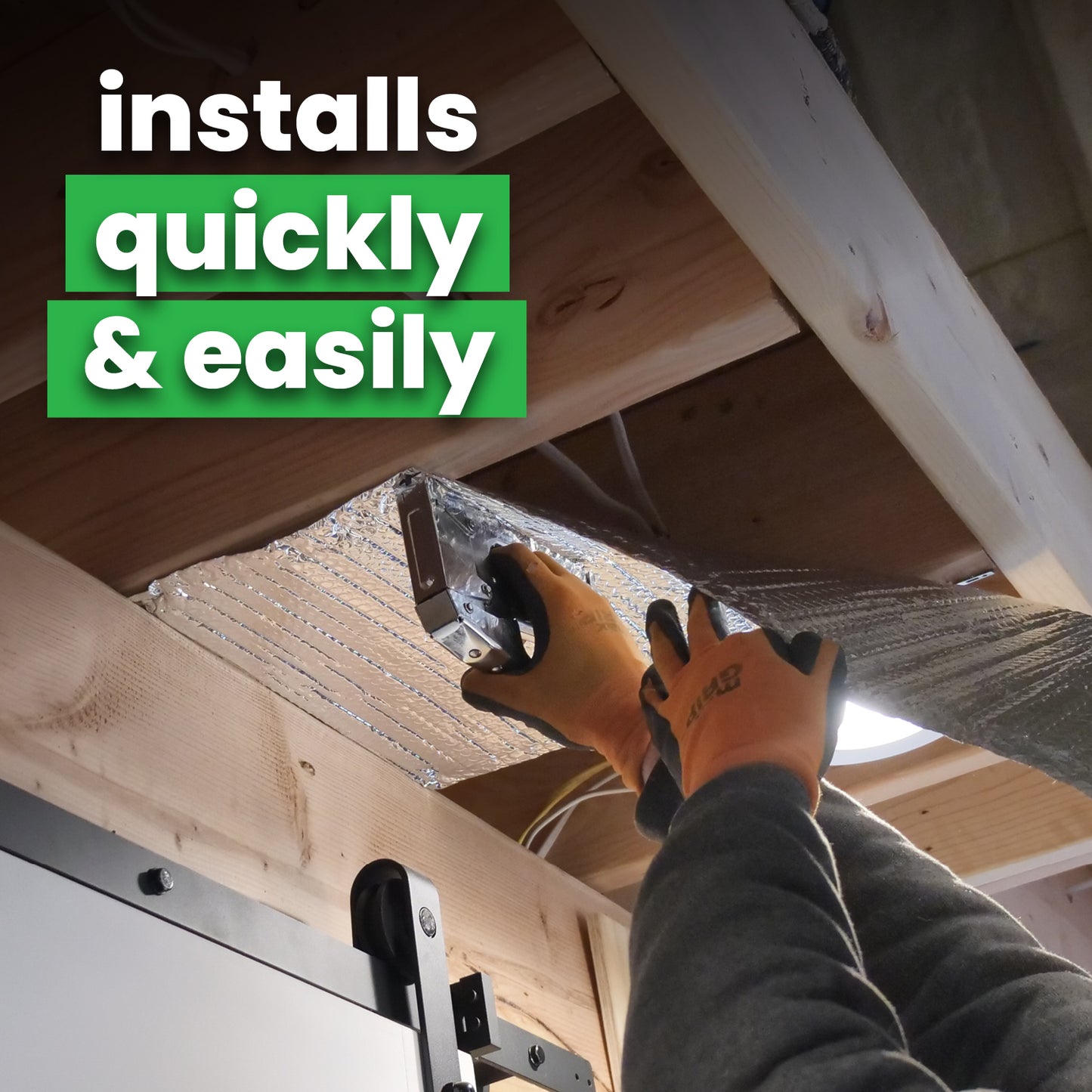
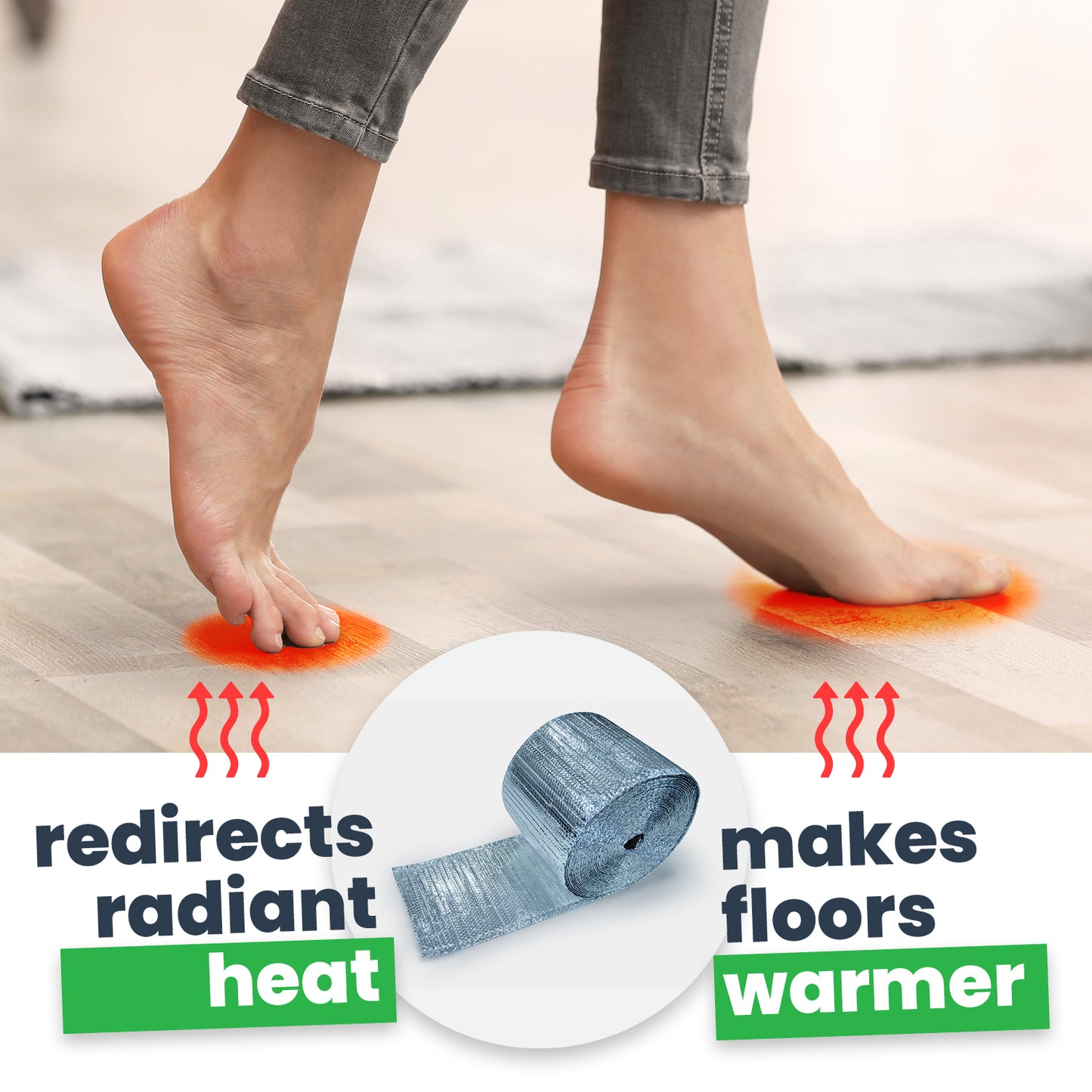
Install reflective insulation under floor joists to prevent basement heat from escaping. This method also redirects heat from your main level upwards—keeping floors warmer in winter.
Download Instructions (PDF)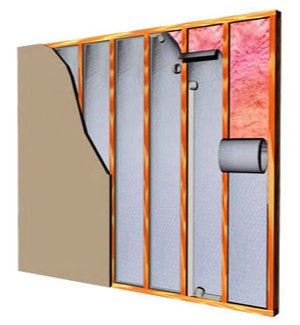
Basement Insulation
Why Use Reflective Bubble Insulation In Your Basement?
- Reflects 96% of radiant heat - Find out how a radiant barrier works
- Helps keep heat inside your basement
- Choose Single Bubble in southern climates, Double Bubble for extra condensation protection in northern climates with colder winters
- Bubble insulation is a full vapor barrier when seams are sealed with reflective insulation tape. Choose metalized or white
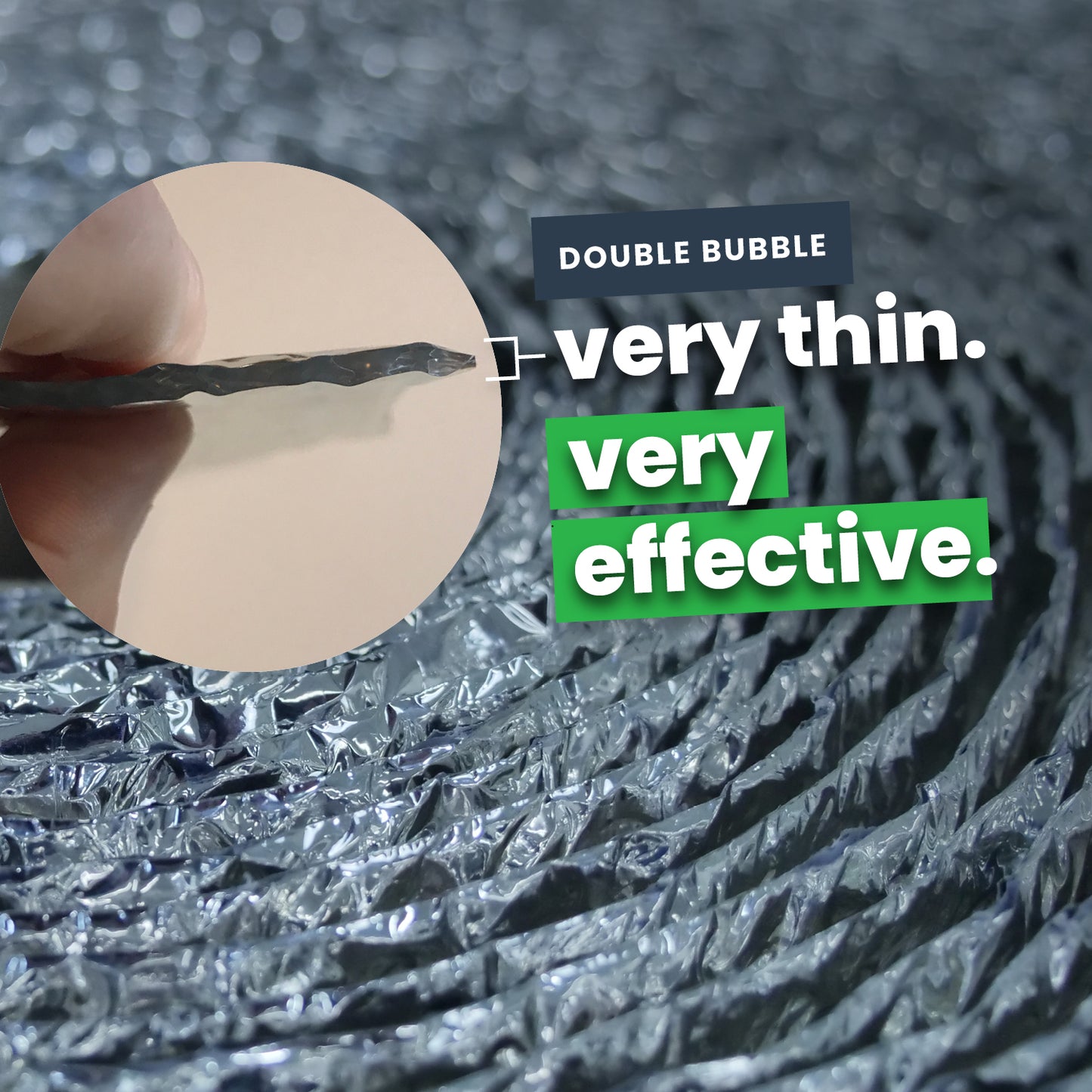
- Very durable and can't be ripped or torn by hand
- Lightweight and easy to handle
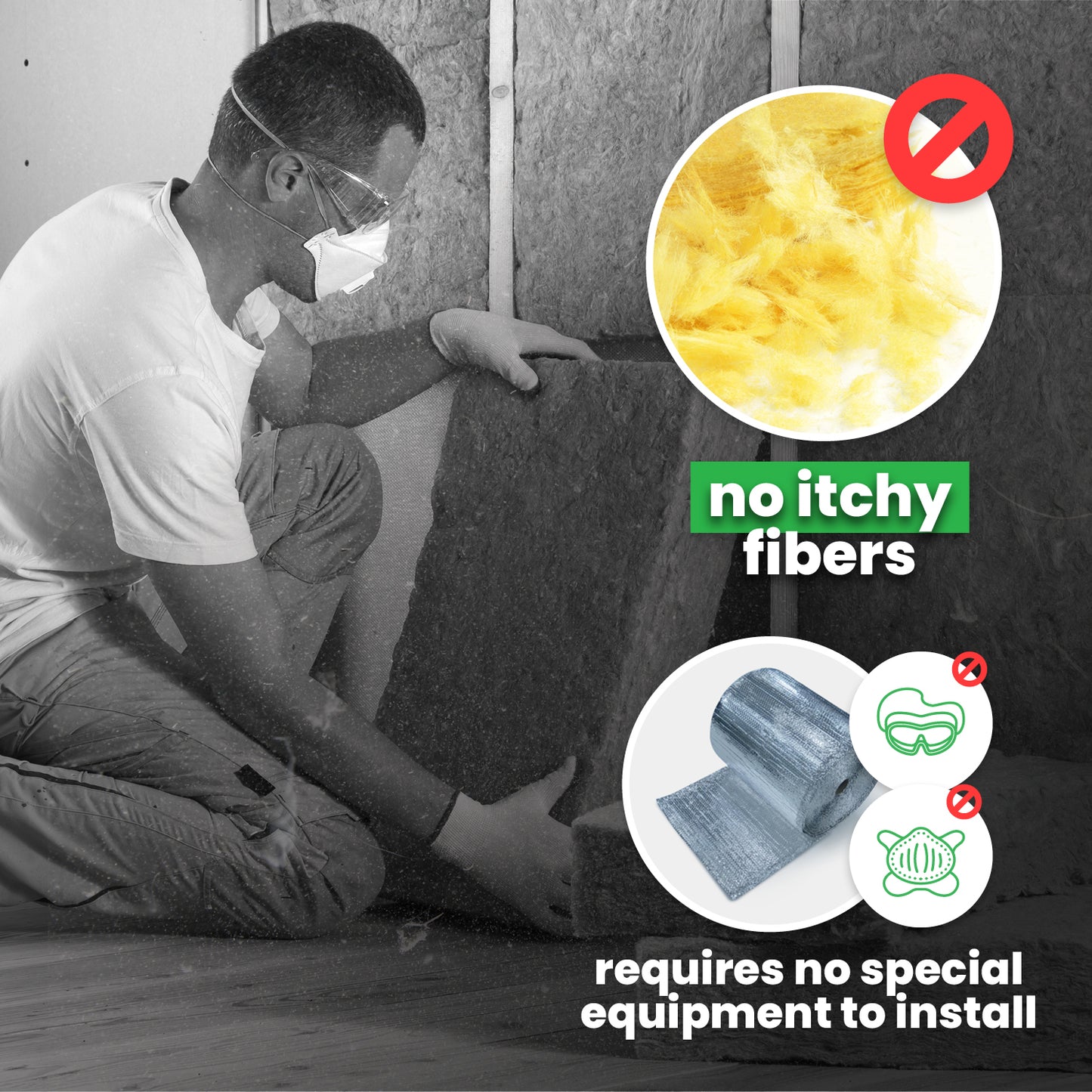
- Safe to handle and requires no special clothing or breathing equipment
More About Basement Insulation
Installing EcoFoil Bubble Insulation as a basement wall insulation will keep your basement warmer by insulating the walls and ceilings from radiant heat transfer. EcoFoil Bubble Insulation is also an impermeable vapor barrier that will keep your basement dry and prevent condensation when all seams are taped.
Without a separate vapor barrier, the warm moist air in your basement will migrate to the cold concrete wall surface and moisture will condense. A much better option for insulation of basement walls is to install a layer of extruded polystyrene (XPS) or some other rigid foam directly to the concrete wall. However, even with XPS rigid foam board insulation for basement walls, you may still have a moisture problem because any polystyrene under 1-1/2" thickness is not considered impermeable enough to be a vapor barrier. The exact perm ratings for any insulation product will vary so you should consult with the insulation manufacturer before purchasing a basement wall vapor barrier.
A "perm", also referred to as a permeability rating is the unit of measurement used to characterize the water vapor permeance of any building material, like insulation. There are several classes of vapor retarders, but according to ASTM E-96, a Class 1 Vapor Retarder has a perm rating of 0.1 or less. All EcoFoil Bubble Insulation products have a permeability rating of 0.02 - thus making them superior Class 1 Vapor Retarders and an approved basement wall vapor barrier.
Insulation for basement walls can differ depending on your climate zone. EcoFoil Bubble Insulation is excellent for insulating concrete basement walls and works especially well when combined with a foam insulation and a dead air space on one side of the product.
Basement Insulation Reviews: